
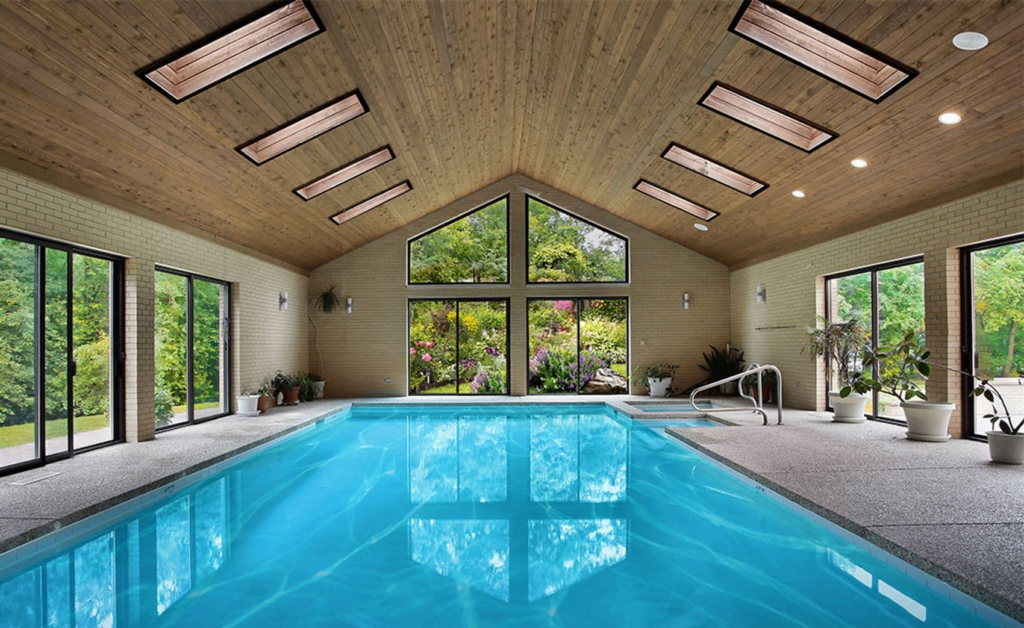
A well-designed poolside retreat connects indoor living areas with the outdoors, creating a comfortable space for relaxing, entertaining and enjoying the backyard. Windows and doors play an important role in this design by bringing in natural light, providing views of the pool and making it easier to move between indoor and outdoor areas.
When planning a poolside renovation, homeowners need to consider more than appearance. Window styles, door configurations, glass selection, ventilation, privacy and safety all influence how well the space functions. Choosing modern windows in Bankstown can also be part of creating a brighter, more comfortable home that connects naturally with the poolside area.
Why Windows and Doors Matter in a Poolside Retreat
Windows and doors help shape the relationship between a home and its outdoor spaces. Large glass panels can provide clear views of the swimming pool, while well-positioned windows allow natural light to brighten living rooms, kitchens and entertaining areas.
Access is another important consideration. A door that opens onto a patio or poolside deck can make the outdoor area feel like a natural extension of the home. This can be particularly useful when entertaining guests or moving between indoor dining areas and outdoor seating.
The design should also account for the practical conditions around a pool. Moisture, direct sunlight, frequent use and exposure to outdoor elements can influence the choice of frames, hardware and glazing. Considering these factors together helps homeowners create a space that is attractive and practical for everyday use.
Choosing the Right Windows for Poolside Spaces
The most suitable window style depends on the room layout, available wall space and the views homeowners want to enjoy. A window overlooking a pool may serve a different purpose from one installed in a bathroom or a utility area.
Aluminium Windows
Aluminium windows are commonly used in contemporary residential designs because their frames can provide a clean, streamlined appearance. They are available in different configurations and can suit homes where the design focuses on natural light and views of the backyard.
Frame design and glazing should be selected according to the installation environment and the window’s intended use. Where windows face a pool or outdoor entertaining area, homeowners may also want to consider how the frame colour and finish complement surrounding materials.
Awning Windows
Awning windows are hinged at the top and open outward from the bottom. They can provide ventilation while helping limit the entry of light rain when partially open, depending on the conditions.
This style may suit rooms that need controlled airflow without requiring a large opening. However, the opening direction and available clearance should be checked carefully where windows are positioned near walkways, outdoor furniture or other frequently used areas.
Sliding Windows
Sliding windows move horizontally along a track and do not need the same outward clearance as many hinged designs. This can make them useful in areas where space around the window is limited.
Depending on the configuration, sliding windows can provide broad views of the backyard and help improve ventilation. Track design, drainage and maintenance requirements are also worth considering, particularly in areas exposed to dust, moisture and outdoor debris.
Selecting Windows for Your Home’s Design
Window style should complement the architecture of the property rather than being chosen in isolation. Frame proportions, glass dimensions, opening mechanisms and placement can all affect the finished appearance.
The right window style will depend on the property’s existing structure, desired appearance and practical glazing requirements. Considering these factors can help homeowners choose windows that complement their home’s design and suit their everyday needs.
Sliding Glass Doors for Indoor-Outdoor Living
Sliding glass doors are a popular option for connecting living areas with patios, decks and poolside entertaining spaces. Their wide glazed panels can maintain views of the backyard while allowing convenient access to outdoor areas.
Unlike hinged doors, sliding doors operate along tracks, so they do not need a large swing area. This can be useful where outdoor furniture, dining settings or narrow access paths limit available space.
Before choosing a sliding door system, consider the size of the opening, the number of panels, access requirements and the available space for the door to slide. The track, rollers, frame and glazing need to work together as a complete system.
For poolside spaces, the door’s location is particularly important. If it forms part of an access route to a swimming pool, the design and installation must account for applicable pool barrier and access requirements.
Glass Selection for Poolside Windows and Doors
Glass selection influences visibility, natural light, privacy and safety. The appropriate glazing depends on the window or door design, the dimensions of the panels and the requirements of the installation.
Toughened Glass
Toughened glass is processed to increase its strength compared with ordinary annealed glass. When it breaks, it is designed to fracture into smaller pieces rather than large, sharp shards.
It is used in a range of applications where safety glazing is required. However, the suitability of toughened glass depends on the specific location, panel dimensions and applicable building requirements.
Laminated Glass
Laminated glass consists of multiple glass layers bonded together with an interlayer. If the glass breaks, the interlayer can help hold the fragments together.
Depending on its specification, laminated glass may be considered for applications where retaining broken glass is an important performance characteristic. The appropriate option should be determined according to the installation requirements rather than appearance alone.
Double Glazing
Double glazing uses two panes of glass separated by a space designed to reduce heat transfer. It may be worth considering for windows and doors where improving indoor comfort and thermal performance is a priority.
Performance varies according to the complete glazing system, including the glass specification, frame and installation. Homeowners should compare suitable options based on the property’s orientation, exposure to sunlight and overall design.
Privacy and Safety Around Pool Areas
A poolside retreat should feel comfortable without overlooking privacy and safety. The placement of windows and doors can affect visibility from neighbouring properties, nearby walkways and other parts of the backyard.
Depending on the layout, homeowners may consider privacy glazing, appropriate window placement or landscaping that provides screening without unnecessarily blocking natural light.
Safety is especially important where windows and doors are located near a swimming pool. Australian pool barrier requirements can apply to doors, windows and access points, depending on the property’s layout and circumstances. Before changing an opening or installing new glazing near a pool, check the applicable local requirements and seek qualified advice where necessary.
Glass selection alone does not make a pool area compliant. Barriers, gates, locks and other relevant components must meet the requirements that apply to the specific property.
Choosing Frames and Hardware for Outdoor Conditions
Poolside windows and doors may be exposed to moisture, sunlight and frequent operation. Selecting appropriate frame materials, finishes and hardware can support long-term performance.
Aluminium frames are one option for residential glazing, but the correct finish and installation details still matter. Homeowners should consider the manufacturer’s recommendations for cleaning, maintenance and exposure to outdoor conditions.
Door hardware also deserves attention. Handles, locks, rollers and tracks should be suitable for the door’s size and expected use. Sliding doors that become difficult to operate may need maintenance or assessment of their rollers, tracks or alignment.
Regular cleaning and checking for signs of wear can help homeowners identify issues before they affect the operation of the system.
Custom Windows and Doors for Different Poolside Layouts
Not every property has the same dimensions or design requirements. Some homes have narrow openings leading to a small courtyard, while others feature broad glass panels overlooking a large swimming pool and entertaining area.
Custom glazing may be useful when standard sizes or configurations do not suit the existing opening. Measurements, frame dimensions, panel weight, hardware and installation conditions all need to be considered before a solution is selected.
During a renovation, it is also important to assess the existing structure before changing the size or position of a window or door. Altering an opening may require additional building work or approval, depending on the project.
Planning these details early can help prevent mismatches between the glazing, frame and surrounding structure.
When Should You Upgrade Poolside Windows or Doors?
Older or damaged windows and doors may affect the comfort, appearance and usability of a poolside area. Signs that an assessment may be needed include cracked glass, damaged frames, worn seals, draughts, water ingress and doors that no longer slide smoothly.
Condensation between panes in an insulated glass unit may also indicate that the unit needs professional attention. The appropriate solution depends on the cause of the problem and the condition of the existing system.
In some cases, replacing a damaged glass panel may be sufficient. In others, the frame, hardware or complete door system may also need repair or replacement.
Having the affected area assessed can help establish the scope of work and identify a suitable option for the property’s requirements.
Planning a Comfortable Poolside Retreat
A successful poolside design balances appearance, accessibility, privacy and everyday function. Windows should suit the room and provide the desired light and views, while doors should offer convenient access without compromising the layout or applicable safety requirements.
Before starting a renovation, consider how the space will be used, where people will walk, how furniture will be arranged and how the glazing will be exposed to sunlight and outdoor conditions. These details can influence the most appropriate window and door configurations.
It is also worth coordinating glazing choices with the surrounding finishes, including flooring, decking, outdoor lighting and landscaping. A consistent design can help the pool area feel connected to the rest of the home.
Discuss Your Window and Door Requirements
Planning a poolside renovation involves several decisions, from choosing suitable window styles to selecting glass and door systems that fit the property. Accurate measurements, appropriate glazing and correct installation are important parts of achieving a practical result.
If your project includes replacing damaged glass, updating existing windows or improving access to an outdoor living area, consider the condition of the current frames and the requirements of the proposed design before selecting a solution.
Optimum Glass Repairs provides glazing services for residential and commercial properties. Contact the team to discuss your window and glass requirements and determine which options may suit your property.